
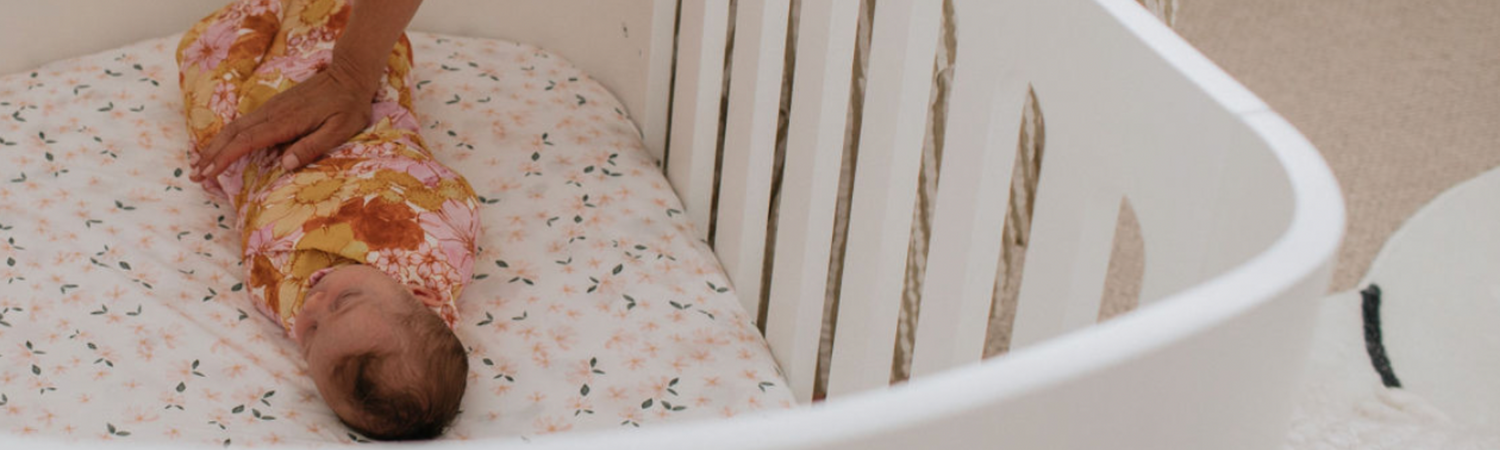
Catnapping in Babies: What It Is, Why It Happens and; How to Extend Naps

Catnapping in Babies: What It Is, Why It Happens and; How to Extend Naps

Catnapping. For some parents, the word alone brings frustration. For others, it’s just part of everyday life with a baby. Wherever you sit, one thing is important to know: catnapping is completely normal and developmentally appropriate.

Let’s break it all down so you can better understand what’s happening, and what (if anything) you can do about it.

What Is Catnapping?

Catnapping is when a baby takes a very short nap, typically one sleep cycle (around 30 to 45 minutes), and then wakes.

Some babies wake:

·       Happy, chatty, and ready to go again

·       Or upset, tired, and needing help to resettle

And for many families, those naps can be even shorter (hello 15 to 20 minute naps 👋).

When Does Catnapping Start?

Catnapping often begins around 4 months of age, sometimes earlier.

This is because your baby’s sleep cycles mature and become more like an adult’s. Instead of long, continuous stretches of sleep, they begin cycling through lighter and deeper stages more frequently.

During the day, this often results in naps that naturally end after one cycle, unless your baby can link them together.

When Can Babies Start Taking Longer Naps?

Most babies start developing the ability to connect sleep cycles between 4 to 6 months.

However:

·       Some babies take a little longer

·       Some may do it earlier (but they’re the exception, not the rule 😉)

Consistency and the right foundations are key during this stage.

Why Is My Baby Catnapping?

There are a few common factors that can contribute to short naps:

1. Sleep Environment

Your baby’s environment plays a huge role in nap length.

To support longer naps:

·       Keep the room dark

·       Use white noise to block external sounds

·       Dress your baby appropriately for the temperature (TOG-rated sleepwear or swaddle)

A consistent, sleep-friendly environment reduces the chance of waking between cycles.

2. Sleep Pressure

Sleep pressure is your baby’s build-up of tiredness during their awake time.

If there isn’t enough sleep pressure:

·       Your baby may wake after one cycle and feel done

To support this:

·       Ensure awake windows are long enough

·       Avoid anything that takes the edge off sleepiness, like dozing in the car right before nap time or frequent feeding throughout the wake window

3. Wake Windows

Getting wake windows right is crucial.

It’s very common to:

·       Keep wake windows too short out of fear of overtiredness

But sometimes, a slight increase in awake time helps build enough sleep pressure for a longer nap.

4. Sleep Associations & Self-Settling

If your baby relies on external help to fall asleep (feeding, rocking, dummy, etc.), they may struggle to resettle between cycles.

To connect sleep cycles independently, babies need to:

·       Fall asleep on their own at the start of the nap

This gives them the best chance of linking cycles and extending sleep.


When Are Catnaps Actually Helpful?

Believe it or not, catnaps aren’t always the enemy.

They can be useful when:

·       Your baby is transitioning between nap schedules

·       A longer nap didn’t happen and you need to prevent overtiredness

·       As the final nap of the day before bedtime

Sometimes, short naps are exactly what your baby needs.

If you’ve worked on:

·       Environment

·       Wake windows

·       Sleep pressure

·       Independent settling

…and your baby is still catnapping, it could simply mean:

·       They’re not developmentally ready yet, or

·       You’re still finding their ideal rhythm

Also worth remembering:
If your baby is happy, developing well, and sleeping well overnight, catnapping may not actually be a problem. Catnapping can feel frustrating, especially when you’re craving a longer break during the day, but it is a normal phase that most babies grow out of.

Focus on:

·       Building strong sleep foundations

·       Supporting age-appropriate routines

·       Staying consistent

And in time, those naps will lengthen.

If you feel like your baby is ready for longer naps but you’re not sure how to get there, we’re here to help. Reach out for a consult, we’d love to support you and your little one.

Back to blog

Download our free
early rising guide

Join our mailing list and receive our free early rising guide, as well as our tips + tricks to the perfect sleep.

* indicates required