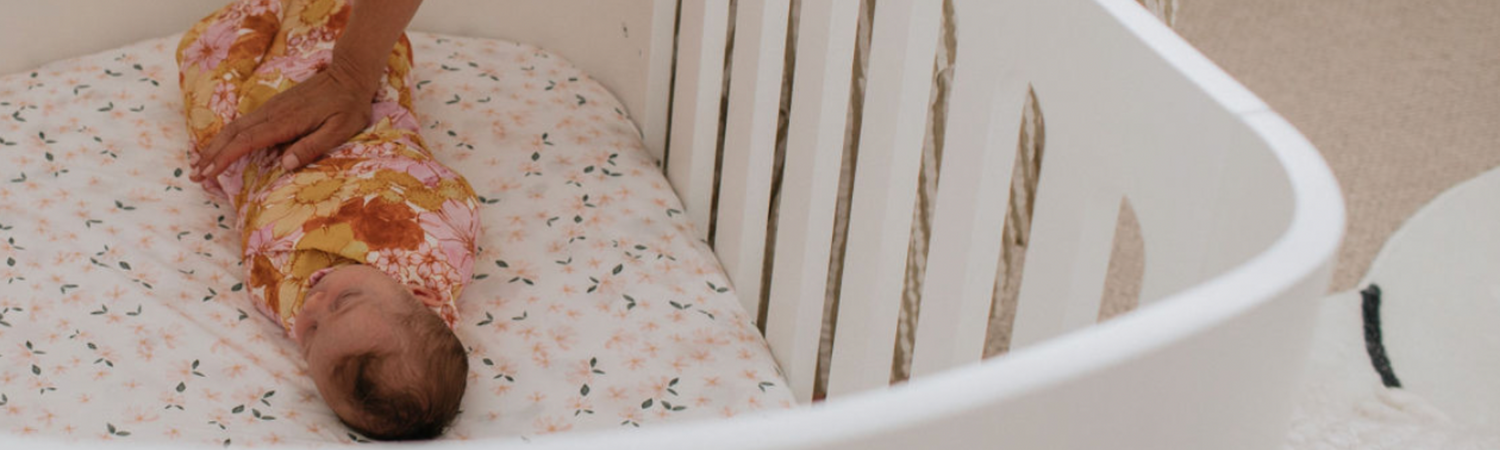

Cooler nights can bring a whole new round of sleep questions…
Is bub too cold? Too hot? Is this why they’re waking at 4am? Do I need another layer?
If you’ve ever found yourself checking tiny hands in the middle of the night and second-guessing what you dressed your little one in, you’re definitely not alone.
Temperature can absolutely impact sleep, but dressing your baby for bed doesn’t need to feel like a guessing game.
What’s the ideal bedroom temperature for sleep?
The sweet spot for sleep is generally 18–20°C.
Of course, not every home stays perfectly within that range overnight (especially in winter), which is why TOG-rated sleepwear can be so helpful.
Rather than guessing, TOG ratings give you a guide for how warm your baby’s sleepwear actually is.
What is a TOG rating?
TOG stands for Thermal Overall Grade… basically, it tells you how much warmth a sleep product provides.
A simple way to think about it:
Lower TOG = lighter fabric
Higher TOG = warmer fabric
Many sleepwear brands make this easy by providing dressing guides based on room temperature.
Brands like Love to Dream and ErgoPouch are great examples, with clear TOG ratings and room temperature recommendations.
If you’re using another brand that doesn’t list a TOG rating, you can usually compare the thickness and feel of the fabric to a TOG-rated product to get a rough guide.
A quick cheat sheet for cooler nights
As a general guide:
2.5 TOG sleeping bag or swaddle → suitable for rooms around 17–21°C
3.5 TOG sleeping bag → for colder rooms that can’t be heated well overnight
Underneath:
For younger babies
- singlet
- long sleeve onesie
- TOG-rated swaddle or sleeping bag
For older babies and toddlers
- onesie or pyjamas
- TOG-rated sleeping bag
If your little one has their arms out, a long sleeve sleeping bag can help keep them warm without needing bulky extra layers.
A few important things to remember. When dressing your little one for sleep:
➡️ Use lightweight, breathable layers underneath
➡️ Dress for the coldest part of the night, not bedtime
➡️ Follow Red Nose Australia safe sleep guidelines
➡️ Avoid overdressing - babies can overheat more easily than we realise
➡️ Cold hands don’t always mean a cold baby (hands and feet are often cooler overnight)
A better check? Feel their chest or back, this gives you a much better idea of whether they’re actually comfortable.
And remember, dress for the room temperature, not the weather outside.
Is temperature really causing those early morning wakes?
Sometimes yes… but often not.
A chilly room can contribute to those 4–5am wake-ups, especially when body temperature naturally dips in the early hours.
But if you’ve adjusted sleepwear, checked room temperature, and those early starts are still happening, there may be something else going on — like overtiredness, sleep pressure, hunger, habits, or routine timing.
Temperature is just one piece of the puzzle.
If early wakes, overnight disruptions, or sleep struggles are sticking around, a 1:1 Sleep Consultation can help uncover what’s really going on and create a plan that works for your little one and your family 💛