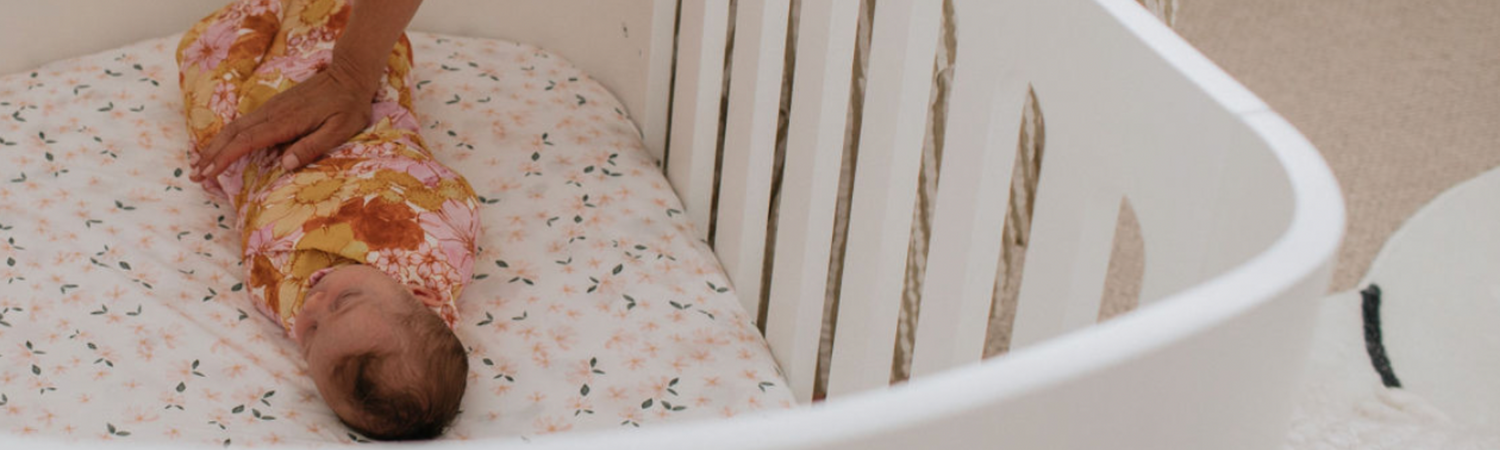

One of the biggest concerns for parents is wondering whether their baby is getting enough sleep during the day.
Some babies seem to nap for hours, while others only manage short cat naps. It's easy to compare your little one to babies online or your friend's baby, but the reality is that sleep needs can vary from child to child.
Rather than focusing on the exact number of hours, it's more helpful to look at your baby's overall mood, development and overnight sleep.
This guide will give you an idea of how much daytime sleep babies typically need, what signs to look for if they're getting too much or too little sleep, and how routines naturally change as they grow.
How Much Day Sleep Does My Baby Need?
Below are general guides rather than strict rules.
| Age | Approximate Day Sleep |
|---|---|
| Newborn (0-3 months) | 5-8 hours |
| 3-5 months | 4-5 hours |
| 5-7 months | 3-4 hours |
| 7-10 months | 2.5-3.5 hours |
| 10-15 months | 2-3 hours |
| 15-24 months | 1.5-3 hours |
| 2-3 years | 1-2 hours (many begin dropping naps) |
Remember, these are averages. Some babies will naturally sit at the lower or higher end of these ranges.
It's easy to become focused on total daytime sleep, but the quality of your baby's naps is equally important.
For example, two babies may both sleep three hours during the day, but one enjoys two long restorative naps while the other has six short cat naps.
Although the total sleep is the same, the quality of those naps can make a big difference to mood, learning and overnight sleep.
Signs Your Baby May Need More Day Sleep
Every baby has the occasional off day, but consistently missing sleep may lead to an overtired little one.
Some common signs include:
- Falling asleep in the car almost immediately.
- Becoming unsettled or grizzly before naps.
- Short awake windows.
- Frequent overnight waking.
- Early morning waking.
- Difficulty settling at bedtime.
An overtired baby often finds it harder to settle because their body produces cortisol, making sleep more difficult despite feeling exhausted.
Can My Baby Sleep Too Much During the Day?
If naps are consistently very long, you may notice:
- Difficulty falling asleep at bedtime.
- Split nights.
- Early morning wakes after long daytime naps.
- Reduced milk feeds in younger babies.
- Shorter overnight sleep.
Rather than cutting naps dramatically, we usually recommend making gentle adjustments while considering your baby's age and overall sleep needs.
How Naps Change as Your Baby Grows
Your baby's nap routine won't stay the same forever.
Newborns sleep frequently throughout the day with very little structure.
By around 4-6 months, many babies begin following three naps.
Between 6-9 months, most transition to two naps.
Around 15-18 months, many toddlers move to one nap.
Eventually, somewhere between 2.5 and 3.5 years (sometimes a little earlier or later), daytime naps gradually disappear altogether.
Every child reaches these milestones at their own pace.
Should I Follow the Clock or Awake Windows?
The answer is a little bit of both. Awake windows provide a helpful guide, especially in the first year, while the clock can become more useful as babies move into predictable routines.
We recommend watching your baby's tired signs alongside age-appropriate awake windows rather than relying on either one alone.
It can be tempting to compare your baby with others, especially on social media. One baby may happily sleep four hours during the day, while another only needs three.
Neither is necessarily "better."
The goal isn't to chase a perfect schedule, it's to create a routine that leaves your baby well rested, supports healthy development and works for your family.
If your little one is consistently fighting naps, waking frequently overnight or you're unsure whether they're getting the right amount of daytime sleep, our age-specific Sleep Guides can help you understand exactly what to expect and how to gently encourage healthy sleep habits ✨