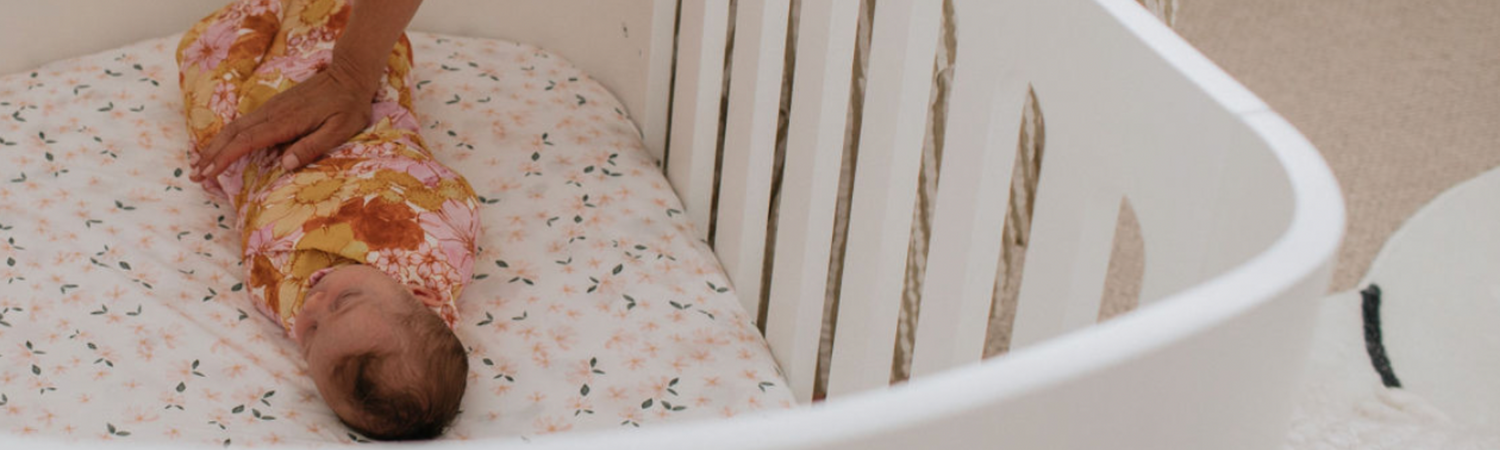

If your baby only seems to sleep for 30 minutes before waking up, you're certainly not alone. One of the most common questions we hear from exhausted parents is:
"Why does my baby only take 30-minute naps?"
You finally get them down, make yourself a cup of coffee, sit down... and they're awake again. While short naps (often called cat naps) can be completely normal at certain ages, they can also leave both you and your baby feeling exhausted if they're happening all day, every day.
The good news? There are reasons why your baby is waking after one sleep cycle, and there are gentle ways to help them learn to sleep for longer.
Why 30-Minute Naps Happen
A baby's sleep cycle is much shorter than an adult's, usually around 30-45 minutes.
At the end of each cycle, your little one briefly stirs as they transition into their next cycle. Some babies naturally link these sleep cycles together, while others fully wake and need help getting back to sleep.
This is why you'll often notice your baby waking happily after exactly 30 or 40 minutes.
Is It Normal? The answer depends on your baby's age.
Newborns (0-3 months)
Short naps are very common in the newborn stage. Their sleep is still developing, and naps can range anywhere from 20 minutes to 2 hours.
Around 3-5 months
This is often when parents begin noticing consistent 30-45 minute naps. Your baby's sleep is becoming more mature, but they may not yet know how to transition between sleep cycles independently.
5-8 months
Many babies begin naturally extending at least one nap each day, particularly their lunchtime nap. If every nap is still only 30 minutes, it's worth looking at the overall routine.
8 months and beyond
By this age, we'd generally expect at least one longer restorative nap during the day. Consistently short naps may suggest that something in your baby's routine or settling habits needs adjusting.
Common Reasons Your Baby Only Takes Short Naps:
- They're Put Down Too Overtired
An overtired baby often finds it harder to transition between sleep cycles.
When they're awake for too long before their nap, their body produces extra cortisol (their stress hormone), making it much harder to stay asleep.
- They're Put Down Too Early
On the flip side, if your baby hasn't built enough sleep pressure before going down for a nap, they may simply not be tired enough to continue sleeping.
This is why following age-appropriate awake windows and watching your baby's tired signs is so important.
- They Need Help Falling Asleep
If your baby falls asleep while feeding, rocking or being held, they may expect the same help when they briefly wake between sleep cycles.
Imagine falling asleep in your bed but waking up on the lounge — you'd probably feel confused too!
Helping your baby learn to fall asleep in their cot from awake can make linking sleep cycles much easier over time.
- Their Sleep Environment
Even small distractions can shorten naps. A dark room, white noise and a comfortable sleep environment can make a huge difference, especially as babies become more alert and curious about the world around them.
Should I Try to Resettle?
Yes, but only for a reasonable amount of time. If your baby wakes after one sleep cycle and still seems tired, it's often worth spending 10-20 minutes trying to help them return to sleep.
If they don't resettle after this time, it's perfectly ok to end the nap, continue with your day and simply bring the next sleep a little earlier. Not every nap will be saved, and that's completely normal.
Contact naps aren't "bad."
In fact, many young babies naturally sleep longer when they're being cuddled.
If contact naps are working well for your family, there's absolutely nothing wrong with continuing them.
However, if you're finding you're spending every nap trapped on the couch, feeling touched out or unable to get anything done, it's also perfectly ok to begin gently working towards more independent naps.
Five Ways to Encourage Longer Naps
- Aim for age-appropriate awake windows.
- Watch your baby's tired signs rather than the clock alone.
- Keep the room dark with consistent white noise.
- Allow your baby the opportunity to fall asleep in their cot awake.
- Stay consistent. Sleep is a skill that develops through repetition.
Some babies are naturally shorter nappers for a period of time, and there isn't always a quick fix. If your baby is happy, growing well and getting enough total sleep across 24 hours, short naps may simply be part of their current stage of development.
But if every nap is only 30 minutes, they're waking cranky, bedtime has become a battle or overnight sleep is becoming fragmented, it's often a sign that a few gentle adjustments to their routine and settling approach could make a big difference.
Sleep doesn't have to feel like guesswork. With the right routine, realistic expectations and consistent approach, many babies begin linking their sleep cycles and enjoying longer, more restorative naps.
If you'd like step-by-step guidance based on your baby's age, our Sleep Guides are designed to walk you through exactly how to build healthy sleep habits with confidence and support.