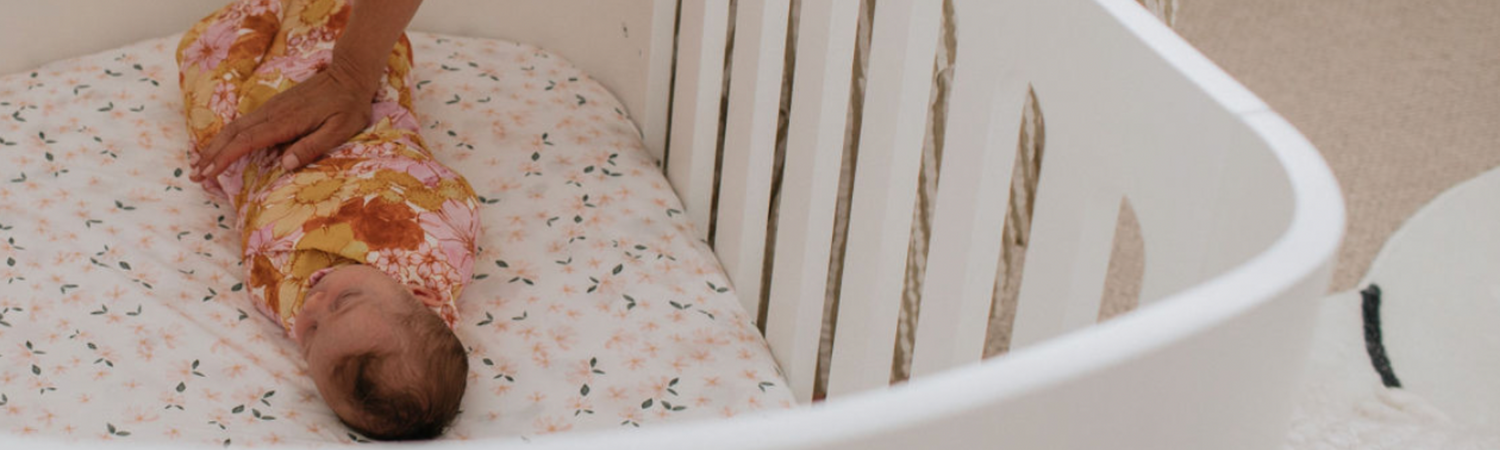

Safe Sleep Guide for Rolling Babies
Rolling is one of the most exciting (and sometimes disruptive!) developmental milestones your baby will reach. But it can raise a lot of questions. A common one we hear is: “When can my baby sleep on their tummy?”
Short answer: No, you should not place your baby on their tummy to sleep.
The safest sleep position for all babies (newborns and beyond) is on their back.
Research consistently shows that placing babies on their backs significantly reduces the risk of SIDS. Safe sleep guidelines, including those from Red Nose Australia, strongly recommend “back to sleep” for every sleep - day and night.
Once your baby begins showing signs of rolling (usually around 3–5 months), there are a couple of important changes to make:
1. Transition Out of the Swaddle
As soon as rolling begins, it’s time to move from a swaddle to an arms-out sleep sack to keep your baby safe.
Popular options like the Love To Dream Swaddle UP Transition Bag can make this transition much smoother.
2. Move to a Cot (If Needed)
If your baby is still in a bassinet, rolling is your cue to transition to a cot with more space.
What Should I Do If My Baby Rolls in Their Sleep?
It can definitely feel alarming at first, but we here’s how to handle it:
- Pause briefly and give your baby a chance to resettle
- If they become upset, go in and offer calm reassurance (gentle pats or voice)
- Roll them back if needed (only if they can’t yet roll both ways)
Once your baby masters rolling both ways, you won’t need to reposition them anymore.
Whether your baby is rolling or not, safe sleep practices are essential:
- Always place baby on their back to sleep
- Keep head and face uncovered (no hats or loose items)
- Use a firm, flat mattress
- Keep the cot clear (no pillows, toys, bumpers, or loose bedding)
- Share a room (not a bed) for at least the first 6 months
- Maintain a smoke-free environment
- Breastfeed if possible (shown to reduce SIDS risk)
Does Rolling Affect Sleep?
Yes, it often does, temporarily.
Rolling can:
- Disrupt sleep for a short period
- Cause more night waking
- Lead to frustration while your baby learns the skill
Plenty of tummy time during the day is one of the best ways to help your baby master rolling faster and get sleep back on track.
How to support your baby through the rolling phase
· Practise tummy time daily- The more floor time they get during awake windows, the faster they’ll master rolling both ways and the quicker sleep settles again.
· Don’t rush in straight away - If your baby wakes after rolling, pause. Give them a chance to resettle or try rolling back.
· Stay consistent with sleep cues - Keep your routine steady (think white noise, sleep sack, consistent nap times). Familiar cues help anchor sleep during this wobbly stage.
· If they’re upset:
- Offer a gentle pat or back rub
- Reassure with your voice
- Help them roll back if needed (not doing it all for them)
Need Help With Your Baby’s Sleep?
If rolling has completely thrown your baby’s sleep off, you’re not alone, and you don’t have to just “wait it out.”
Our 4–12 month sleep guide walks you through:
- Navigating rolling and regressions
- Improving naps and night sleep
- Building consistent, age-appropriate routines
You can find it here.